Cervicogenic Headache: What You Need To Know
If your headaches seem to start at the base of your skull and creep forward into your forehead or behind one eye, the problem may not be in your head at all. It may be in your neck. Cervicogenic headaches are a common type of headache caused by dysfunction in the cervical spine, and they respond especially well to chiropractic care.
In this article, we'll explain what a cervicogenic headache is, how it differs from a migraine or tension headache, what causes it, and how chiropractic treatment at Modern Care Chiropractic can help you get lasting relief.
What Is a Cervicogenic Headache?
A cervicogenic headache is a headache that originates from a problem in the neck, specifically the joints, discs, muscles, or nerves of the upper cervical spine. Unlike a primary headache disorder such as migraine, which starts in the head itself, a cervicogenic headache is a secondary headache. That means it's a symptom of an underlying issue elsewhere in the body, in this case, the neck.
The upper three joints of the cervical spine share nerve pathways with the trigeminal nerve, which supplies sensation to the face and head. When these joints become restricted, irritated, or inflamed, the brain can misinterpret the pain signal as coming from the head rather than the neck. This is why a neck problem can feel like a headache.
Cervicogenic headaches account for an estimated 15 to 20 percent of all chronic headaches, and they're often mistaken for migraines or tension-type headaches, which can delay proper treatment.
What Causes Cervicogenic Headaches?
Cervicogenic headaches typically develop from mechanical problems in the upper neck. Common causes include:
- Poor posture, especially forward head posture from prolonged screen use
- Whiplash or other neck trauma from car accidents or falls
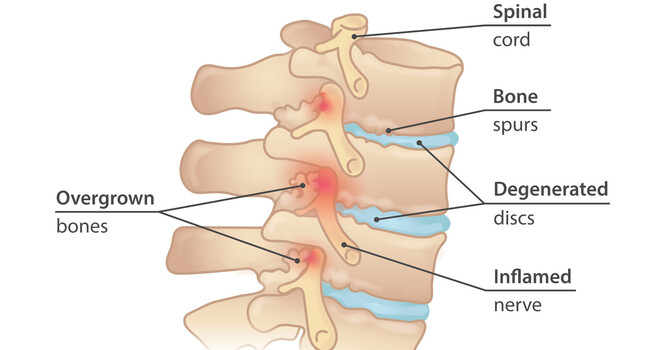
- Degenerative changes in the cervical spine, such as arthritis
- Sleeping in an awkward position or using an unsupportive pillow
- Prolonged muscle tension from stress or repetitive strain
Desk work is one of the most common contributors we see. Hours spent looking down at a phone or leaning toward a computer screen place sustained strain on the joints and muscles of the upper neck, which can trigger recurring headaches over time.
How Is a Cervicogenic Headache Different from a Migraine?
A cervicogenic headache usually starts at the back of the head or neck and spreads toward the front, and it's often on one side only. The pain tends to worsen with certain neck movements or sustained postures, and it frequently comes with reduced neck range of motion or a stiff, achy feeling in the neck and shoulders.
A migraine, on the other hand, usually involves throbbing pain, is more likely to come with nausea, light sensitivity, or sound sensitivity, and typically isn't triggered by neck position. Some people experience features of both, which is why an accurate evaluation is so important before starting treatment.
Common Symptoms of Cervicogenic Headaches
Symptoms usually include a dull, aching pain that begins at the base of the skull or in the neck and radiates to the forehead, temple, or around one eye. Many people also notice stiffness or reduced range of motion in the neck, tenderness in the upper neck or shoulder muscles, and headaches that are triggered or worsened by certain neck positions, prolonged sitting, or sleeping poorly. Episodes can last anywhere from a few hours to several days and often follow a pattern tied to posture or activity.
How Does a Chiropractor Treat Cervicogenic Headaches?
Because cervicogenic headaches originate in the neck, chiropractic care is particularly well suited to their treatment. At Modern Care Chiropractic, treatment typically involves several components.
A thorough postural and spinal assessment. We evaluate the alignment and mobility of the cervical spine, along with your posture and daily habits, to identify exactly which joints and muscles are contributing to your headaches.
Cervical spine adjustments. Gentle, targeted adjustments to the restricted joints in the upper neck help restore normal motion and reduce the irritation that's referring pain to the head. This is one of the most well-studied chiropractic interventions for this specific type of headache.
Soft tissue therapy. Techniques such as myofascial release and trigger point therapy address tight, overworked muscles in the neck and upper shoulders, including the suboccipital muscles at the base of the skull, which are frequently involved in cervicogenic headaches.
Postural correction and exercise. We provide targeted exercises to strengthen the deep neck flexors and improve upper back posture, addressing the mechanical stress that causes symptoms to return.
Ergonomic and lifestyle guidance. Simple adjustments to your workstation setup, phone habits, sleep position, and pillow choice can significantly reduce the recurring strain that triggers these headaches.
Many patients notice a reduction in headache frequency and intensity within the first few visits, though a full course of care over several weeks is often needed to address the underlying joint and muscle dysfunction and prevent recurrence.
What Can You Do at Home?
A few simple habits can help reduce cervicogenic headache flare-ups alongside professional care. Take regular breaks from screens to reset your posture, and try to keep your ears aligned over your shoulders rather than jutting your head forward. Applying heat to tight neck muscles can ease tension, while gentle neck stretches and chin tucks help mobilize stiff joints. Choosing a supportive pillow that keeps your neck in a neutral position while you sleep also makes a meaningful difference for many people.
What you should avoid is spending long stretches in a fixed position, whether that's hunched over a laptop or looking down at your phone, since sustained postures are one of the most common triggers.
When Should You See a Professional?
If you're experiencing headaches that consistently start in your neck, occur frequently, or are accompanied by neck stiffness and reduced range of motion, it's worth having your neck and upper back evaluated. It's also important to see a doctor promptly if a headache is sudden and severe, follows a head or neck injury, or comes with symptoms like fever, vision changes, or weakness, since these can indicate a more serious underlying issue that needs immediate medical attention.
Frequently Asked Questions About Cervicogenic Headaches
Can a chiropractor really help with cervicogenic headaches?
Yes. Cervicogenic headaches originate from dysfunction in the neck, which makes them especially responsive to chiropractic care. Treatment combining cervical spine adjustments, soft tissue therapy, and postural correction has been shown to reduce both the frequency and intensity of these headaches.
How do I know if my headache is cervicogenic or a migraine?
Cervicogenic headaches typically start at the back of the head or neck, are often on one side, and worsen with certain neck movements or positions. Migraines tend to involve throbbing pain along with nausea or sensitivity to light and sound, and aren't usually linked to neck position. A chiropractic evaluation can help clarify which type you're dealing with.
How long does it take to get relief from cervicogenic headaches?
Many patients notice improvement within the first few visits, though a full treatment plan often runs several weeks to address the underlying joint restrictions and muscle imbalances. Consistency with home exercises and posture changes speeds up recovery and helps prevent recurrence.
Can poor posture really cause headaches?
Yes. Forward head posture, common with prolonged phone and computer use, places extra load on the joints and muscles of the upper neck. Over time, this strain can irritate the nerves that refer pain to the head, triggering cervicogenic headaches.
Are cervicogenic headaches related to past neck injuries?
Often, yes. Whiplash from car accidents, falls, or sports injuries is accociated with cervicogenic headaches, even if the injury happened years earlier. Old injuries can lead to joint stiffness or scar tissue in the neck that continues to refer pain to the head long after the initial trauma has healed.
Will cervicogenic headaches come back after treatment?
They can if the underlying posture and mobility issues aren't addressed. That's why treatment includes strengthening and postural exercises alongside adjustments. Patients who stick with their home exercise program and make ergonomic changes typically see a lower rate of recurrence.
Get Relief from Cervicogenic Headaches at Modern Care Chiropractic
You don't have to accept recurring headaches as a normal part of life. At Modern Care Chiropractic, we identify the underlying neck dysfunction driving your headaches and treat it directly, so you can get back to your day without the pain following you.
Ready to get started? Give us a call at 702-900-2709 or use our online booking site to schedule your evaluation today.
This article is for informational purposes only and is not a substitute for professional medical advice, diagnosis, or treatment. Always consult a qualified healthcare provider about your specific condition.