Concussions After A Car Accident: What You Need To Know
You didn't expect it, one moment you're driving, and the next, impact. Whether it was a mild rear-end collision or something more serious, car accidents happen fast and leave your body reeling. In the hours and days that follow, you might notice a headache coming on, feel foggy-headed, or find yourself unusually tired. These symptoms are easy to brush off as stress or the adrenaline wearing off, but they could be signs of something that deserves real attention: a concussion.
At Modern Care Chiropractic, we see car accident patients regularly, and concussions are one of the most commonly overlooked injuries that people walk in with. The good news is that with the right care, most people recover fully. In this post, we want to walk you through what a post-accident concussion actually looks like, why it often goes unrecognized, and how chiropractic care plays a meaningful role in recovery.
What Is a Concussion, and Why Do Car Accidents Cause Them?
A concussion is a type of mild traumatic brain injury (mTBI) that can be caused by a sudden jolt or blow to the head, or even to the body when the force is strong enough to shake the brain inside the skull. During a car accident, that's exactly what happens. Even if your head never strikes the steering wheel, window, or headrest, the violent back-and-forth whipping motion of a collision can cause the brain to collide with the inner walls of the skull.
This is especially true in rear-end crashes, which are the most common type of collision in the United States. Your head snaps forward and backward faster than your muscles can react, and the brain experiences a sudden deceleration that disrupts normal neurological function. The result? Confusion, headache, nausea, dizziness, and a list of other symptoms that can feel vague and hard to pin down.
What makes concussions tricky after car accidents is that they don't always show up on standard imaging tests. An MRI or CT scan might come back completely clear, and yet you still feel off. That's because a concussion is a functional injury meaning it changes how the brain works, but not necessarily how it looks on a scan. For this reason, millions of concussions go undiagnosed every year, and many people spend weeks or months feeling "not quite right" without understanding why.
Recognizing Concussion Symptoms After a Crash
If you've recently been in a car accident, it's worth knowing what to look for. Concussion symptoms can appear immediately or develop over several hours or even days. That delayed onset is one of the reasons so many people miss the diagnosis.
Common concussion symptoms following a car accident include persistent headaches or pressure in the head, dizziness and problems with balance, blurred vision or sensitivity to light, difficulty concentrating or remembering things, feeling mentally "foggy" or slowed down, fatigue that doesn't improve with rest, nausea (with or without vomiting), irritability, anxiety, or mood changes, and sleep disturbances
If any of these symptoms sound familiar, please don't wait. Seek medical evaluation right away, and then consider scheduling an appointment with a chiropractor who has experience treating post-accident injuries. Early intervention is one of the most important factors in how well and how quickly someone recovers from a concussion.
The Connection Between Concussions, Whiplash, and the Spine
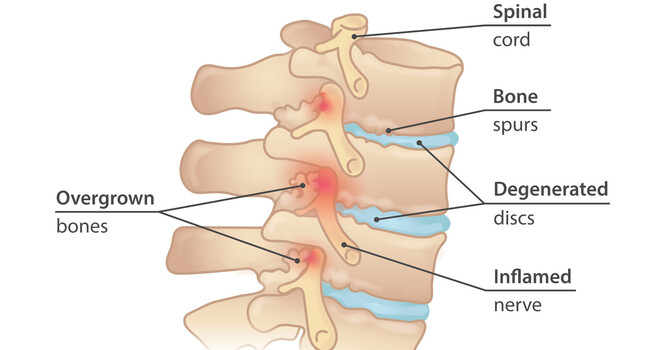
Concussions and whiplash injuries are deeply connected, and they frequently happen at the same time. Whiplash is a soft-tissue injury to the neck caused by that same rapid head motion during a collision. It damages muscles, ligaments, and sometimes the cervical vertebrae themselves. When whiplash occurs, it doesn't just affect your neck, it can alter the way nerve signals travel from your brain stem through your spinal cord.
The cervical spine (the neck region) plays a critical role in neurological signaling, balance regulation, and blood flow to the brain. When the vertebrae in your neck don't move properly or the surrounding muscles are in spasm, these functions can be disrupted, and that can worsen or prolong concussion symptoms. This is sometimes called cervicogenic dizziness or cervicogenic headache.
This is exactly where chiropractic care becomes so valuable. By addressing the cervical spine and surrounding soft tissue, a chiropractor can help restore proper function.
How Chiropractic Care Supports Concussion Recovery
Chiropractic care for concussion recovery isn't about cracking your neck and sending you on your way. A thorough, patient-centered approach looks at the whole picture including your symptoms, your injury history, and how your spine and nervous system are functioning in the aftermath of the crash.
Cervical Spine Adjustment and Realignment
One of the core components of post-concussion chiropractic care is addressing misalignments in the cervical spine. Gentle, precise adjustments can relieve pressure on the surrounding nerves, improve blood flow to the brain, and help reduce headaches and dizziness. These adjustments are done carefully, especially in the acute phase of recovery. At modern care chiropractic we will always prioritize your comfort and safety during treatment.
Soft Tissue Therapy
Muscle spasms in the neck and upper back after a car accident can create sustained tension that radiates into the head, worsens headaches, and interferes with sleep. Soft tissue techniques like myofascial release, trigger point therapy, class IV laser therapy, and electric stimulation help reduce that tension and create an environment where healing can happen more efficiently.
Postural and Proprioceptive Rehabilitation
Concussions can temporarily disrupt your sense of balance and spatial awareness. Chiropractors can incorporate specific exercises and therapies designed to retrain the vestibular and proprioceptive systems, helping your brain recalibrate its sense of balance and position
Lifestyle and Recovery Guidance
A good chiropractor doesn't just treat you in the office and leave you to figure out the rest. Part of the recovery process involves guidance on sleep hygiene, activity levels, screen time, hydration, and nutrition, all of which influence how well your brain heals. We'll also work with your primary care physician or neurologist, because collaborative care is often the most effective approach.
What to Expect at Your Appointment
At Modern Care Chiropractic, your first visit will involve a comprehensive evaluation. We'll talk through the details of the accident, review your current symptoms, and perform an examination that includes neurological and orthopedic assessments. We want to understand what's going on before we treat anything.
From there, we develop a personalized care plan based on your specific needs. Some patients feel meaningful relief within a few visits. Others, particularly those with moderate concussions or overlapping whiplash injuries, require a longer course of care. We'll be honest with you about what to expect and adjust the plan as your recovery progresses.
One thing we always emphasize: don't try to push through a concussion. Rest and paced activity are essential parts of recovery, and overexerting yourself physically or mentally in the early stages can significantly set back your progress. We'll help you understand what activities are safe and when it's appropriate to gradually return to your normal routine.
Why People Wait (And Why You Shouldn't)
We understand why so many accident victims delay seeking care. Maybe the accident felt minor. Maybe you're worried about the cost or the time commitment. Maybe you've heard that concussions just need rest and will heal on their own. And while it's true that most mild concussions do resolve over time, the recovery timeline is significantly shorter, and the risk of complications significantly lower, when you receive proper care early.
There's also a condition known as post-concussion syndrome, where symptoms persist for weeks, months, or even longer without proper treatment. Research suggests that addressing the musculoskeletal components of concussion recovery, including spinal alignment and cervical dysfunction, can help prevent symptoms from becoming chronic.
Beyond the physical reality, there are also practical reasons to act quickly after a car accident. If your injuries were caused by someone else's negligence, proper documentation of your diagnosis and treatment is essential for any insurance or legal proceedings.
You Deserve to Feel Like Yourself Again
Living with concussion symptoms is exhausting. The constant headaches, the brain fog, the feeling that something just isn't right, it can wear you down over time, and it affects every area of your life. You deserve comprehensive, compassionate care that takes your symptoms seriously and gives you a clear path forward.
At Modern Care Chiropractic, that's exactly what we're here to provide. We help car accident patients work through their injuries and get back to feeling like themselves, and we'd be honored to do the same for you.
If you've been in a car accident recently, even a minor one, and you're experiencing any of the symptoms described above, please reach out. Your brain does an incredible job of healing when it's given the right support. Let's make sure you have it.
Ready to take the next step? Book an appointment online here or call our office at 702-900-2709 to schedule a comprehensive post-accident evaluation. We're here to help.
Frequently Asked Questions
How soon after a car accident should I see a chiropractor? As soon as possible. Even if you feel okay in the immediate aftermath of a crash, many injuries, including concussions and whiplash, have delayed symptom onset. Being evaluated within the first 72 hours of an accident gives your chiropractor a baseline and allows for early intervention if something is found.
Is chiropractic care safe after a concussion? Yes. Chiropractic care is a safe and beneficial treatment option after a concussion.
Will my car insurance or health insurance cover chiropractic care after an accident? In many cases, yes. Medpay and personal injury protection (PIP) coverage, which is part of many auto insurance policies, often covers chiropractic treatment. Coverage varies by state and policy, so we recommend contacting your insurance provider and speaking with our office about your options. We also accept attorney liens and are in network with many of the most common health insurances.
What's the difference between a concussion and whiplash? Whiplash is a soft-tissue injury to the neck, while a concussion is a brain injury. They are caused by the same mechanism (rapid head acceleration and deceleration) and very commonly occur together in car accidents. Both benefit from chiropractic evaluation and treatment.
This blog post is intended for informational purposes only and does not constitute medical advice. Always consult with a licensed healthcare provider for diagnosis and treatment of any injury or medical condition.