Whiplash is one of the most common injuries people experience after a car accident, yet it’s also one of the most misunderstood. Many patients walk away from a collision feeling “fine,” only to develop pain, stiffness, and other symptoms hours, or even days later. Understanding what’s actually happening in the body after a whiplash injury is key to getting the right care early and preventing long-term complication.

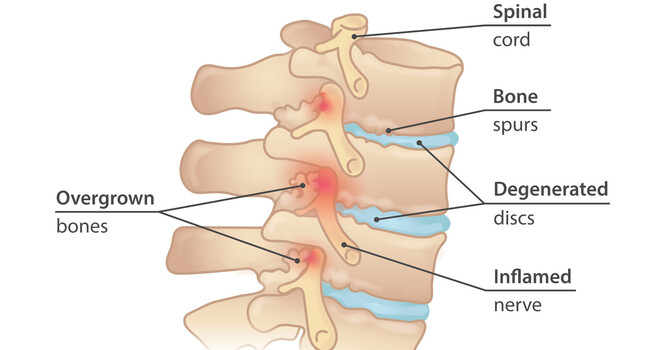
So what is whiplash? Whiplash is a rapid acceleration-deceleration injury. When a vehicle is struck, especially in a rear-end collision, the torso is suddenly pushed forward by the seat while the head lags behind due to inertia. This creates a whipping motion of the cervical spine. Within milliseconds, the neck is forced into hyperextension (bending backward) followed immediately by hyperflexion (bending forward). These forces can exceed normal physiological limits, stressing or damaging muscles, ligaments, facet joints, intervertebral discs, and even neural structures
The severity of these forces is influenced heavily by seating position and biomechanics at the moment of impact. For example, a driver sitting upright with proper headrest positioning may experience less extreme motion compared to someone reclined or turned to the side. Headrests that are too low, too high, or too far back fail to support the head during impact, allowing greater extension and increasing injury risk. Similarly, being aware of an impending collision allows for some muscular bracing, whereas being caught off guard often results in more significant tissue strain due to a lack of protective muscle activation. Even factors like seat design, seatbelt use, and whether you’re the driver or a passenger can alter how force is transmitted through the spine.
Symptoms of whiplash can vary widely, which is part of why it’s often overlooked initially. The most common complaint is neck pain and stiffness, but patients frequently report headaches (especially at the base of the skull) along with reduced range of motion. There may also be shoulder pain, upper back tightness, or radiating discomfort into the arms. In more complex cases, individuals can experience concussions, dizziness, visual disturbances, jaw pain, fatigue, or difficulty concentrating. These symptoms reflect irritation or dysfunction in the cervical spine and surrounding soft tissues, as well as possible involvement of the nervous system
One of the most important things to understand about whiplash is that the injury often involves microtearing of the tendons (strains) and ligaments (sprains), joint capsule damage or irritation, and altered biomechanics of the spine. Left untreated, this can lead to chronic pain, postural imbalances, and compensatory movement patterns that affect other areas of the body. This is why early evaluation and targeted care are critical.
Chiropractic care is uniquely positioned to address the underlying mechanical dysfunction associated with whiplash. A thorough examination will assess joint mobility, muscle tone, neurological function, and any asymmetries in movement. From there, treatment is tailored to the individual. This often includes gentle spinal adjustments to restore proper joint motion, soft tissue therapy to reduce muscle tension and improve circulation, and rehabilitative exercises to stabilize and strengthen the affected areas.
In the early stages, care may focus on reducing inflammation and protecting injured tissues while maintaining as much mobility as possible. As healing progresses, the emphasis shifts toward restoring full function and preventing long-term complications. This phased approach is essential because pushing too hard too early (or doing nothing at all) can both delay recovery.
Another key component of recovery is patient education. Small changes in posture, workstation setup, and daily habits can significantly influence healing. For example, avoiding prolonged forward head posture, maintaining proper ergonomics, and following a guided home exercise program can accelerate progress and reduce the likelihood of persistent symptoms.
It’s also worth noting that documentation and timely care are especially important if your injury is related to a motor vehicle accident. Even if symptoms seem mild initially, having a professional evaluation establishes a baseline and ensures that any developing issues are addressed early. Many patients who delay care end up dealing with chronic pain that could have been mitigated with prompt treatment.
If you’ve recently been in an accident and notice neck pain, headaches, or stiffness days afterward it’s not something to ignore. Whiplash injuries can evolve, and what feels minor today can become a more significant problem over time.
A comprehensive chiropractic evaluation at Modern Care Chiropractic can identify the root cause of your symptoms and create a clear, structured plan to get you back to normal function as quickly and safely as possible. If you’ve been in a recent collision, scheduling an appointment is a proactive step toward recovery and often the difference between a short-term injury and a long-term issue. Don’t wait! Book your appointment online or call 702-900-2709 and book your appointment today.
This article is intended for informational purposes only and does not constitute medical advice. If you have been in a car accident, please consult a qualified healthcare provider for a proper evaluation and individualized treatment plan