Why You Shouldn't Ignore Numbness or Tingling After a Crash
Have you or a loved one been in a car accident and are now experiencing numbness, tingling, or a "pins and needles" sensation in your arms, hands, legs, or feet? It may be your body’s way of sending you an important warning signal. These sensations may feel minor at first but they are often signs of nervous system involvement that require prompt evaluation. Understanding what causes these symptoms, why they sometimes appear days after an accident, and how chiropractic care can help may be the most important thing you read during your recovery.
What Causes Numbness and Tingling After a Car Accident?
Numbness and tingling after a car accident are most commonly caused by nerve compression or nerve damage resulting from the physical forces of the collision. Even a low-speed crash generates enough force to shift or fracture spinal vertebrae, herniate a disc, or cause soft tissue swelling that inflames or puts pressure on surrounding nerves.
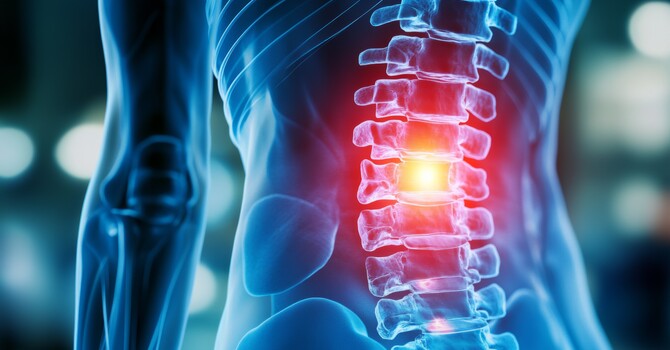
The spine houses and protects the spinal cord, which branches out into a network of nerves that travel to every part of your body. When the spinal joints are not functioning or moving properly (a condition chiropractors call a subluxation) or when a disc bulges or herniates, those nerves can become pinched or irritated. The result is the abnormal electrical signaling that your brain interprets as numbness, tingling, burning, or weakness in the extremities.
The most common sources of post-accident nerve symptoms include:
Whiplash and cervical spine injuries are among the leading causes of numbness and tingling in the arms, hands, and fingers after a car accident. The sudden back-and-forth motion of the neck during a rear-end collision can strain or compress the nerve roots in the cervical spine (the neck region), producing symptoms that radiate down the arm (a condition known as cervical radiculopathy).
Herniated or bulging discs are another frequent culprit. The intervertebral discs act as shock absorbers between each vertebra. The trauma of a collision can cause the inner gel-like material of a disc to push outward and press against a nerve. Depending on which disc is affected, you may feel tingling in your neck, shoulders, arms, lower back, buttocks, or legs.
Thoracic outlet syndrome can develop after car accidents when muscles, tendons, or bones in the chest and shoulder area compress the nerves or blood vessels running between the collarbone and first rib. This often produces tingling or numbness in the fingers and hands.
Lumbar nerve compression caused by spinal joint dysfunction (subluxation) or disc injury in the lower back, is a common cause of tingling, numbness, or shooting pain down the legs; symptoms collectively known as sciatica.
Why Symptoms Sometimes Don't Appear Right Away
One of the most misunderstood aspects of car accident injuries is the delayed onset of symptoms. Many accident victims feel relatively fine immediately after a crash, only to wake up days or even weeks later with significant pain, stiffness, or neurological symptoms like numbness and tingling.
This delay happens for several reasons. In the immediate aftermath of a collision, your body floods with adrenaline and other stress hormones that act as natural pain suppressants. Inflammation (the body's healing response) also builds gradually over the first 24 to 72 hours, which means nerve compression may worsen as swelling increases. Some structural injuries, like small disc herniations, may not generate intense symptoms until cumulative daily movement aggravates the affected area.
This is why medical and chiropractic professionals strongly advise accident victims to seek evaluation even when they feel "okay" after a crash. Waiting until symptoms become severe can allow nerve damage to progress and make recovery more difficult.
Common Locations of Post-Accident Numbness and Tingling
The location of your symptoms can help your doctor identify the likely source of nerve irritation. Here is a general guide to what different symptom patterns may indicate:
Numbness or tingling in the hands and fingers most often points to cervical nerve root involvement, thoracic outlet syndrome, or carpal tunnel aggravation triggered by the accident trauma.
Numbness or tingling down one or both arms is frequently associated with a cervical disc herniation or cervical radiculopathy stemming from whiplash injury.
Numbness or tingling in the legs, feet, or toes typically suggests lumbar or sacral nerve involvement, often from a herniated disc in the lower back or misalignment of the lumbar vertebrae.
Numbness or tingling affecting both sides of the body may indicate more significant spinal cord involvement and warrants immediate medical evaluation.
How Chiropractic Care Addresses Numbness and Tingling
Chiropractic care is one of the most effective and least invasive treatments for nerve-related symptoms following a car accident. Rather than simply masking pain with medication, chiropractic treatment addresses the root mechanical cause of your symptoms. Taking into consideration vertebral health, compressed nerves, soft tissue injuries, and disrupted spinal function that are producing the abnormal sensations you feel.
A chiropractor will begin with a thorough evaluation of your spine, neurological function, and injury history. Depending on the findings, they may recommend digital X-rays or refer you for advanced imaging such as a CT scan or MRI if disc herniation or significant nerve compression is suspected. Below are some treatment options offered at our clinic and how they may help with your symptoms.
Chiropractic spinal adjustments are highly effective at mobilizing joints that are not functioning/moving properly to reduce pressure on compressed nerves. Many patients report a noticeable reduction in tingling and numbness following their first few adjustments as nerve pathways are decompressed and normal signaling begins to restore.
Class IV laser therapy is one of the most powerful tools available for nerve-related pain and inflammation after a car accident. Using deep-penetrating wavelengths of light, Class IV laser stimulates cellular energy production (ATP), accelerates tissue repair, and reduces the inflammation that is often compressing irritated nerves. Unlike lower-powered lasers, Class IV laser can reach deeper spinal and soft tissue structures, making it particularly effective for radiculopathy, disc-related nerve compression, and chronic tingling that hasn't responded to other treatments. You can read more about Class IV laser therapy here.
Myofascial release targets the connective tissue surrounding muscles that can tighten and restrict movement after trauma. Scar tissue and fascial adhesions that develop in the weeks following a car accident can place secondary pressure on nerves, worsening numbness and tingling. This hands-on technique breaks down those restrictions and restores normal tissue mobility.
Cupping therapy uses suction to lift and decompress soft tissue layers, increasing local circulation and drawing inflammation away from the affected area. After a car accident, restricted blood flow and tissue congestion in the neck, shoulders, and back can amplify nerve irritation. Cupping helps create the circulatory conditions the body needs to heal.
Electrical stimulation (e-stim) delivers gentle electrical currents to injured tissues to reduce pain, decrease inflammation, and stimulate muscle function. For patients experiencing numbness and tingling, e-stim can help re-educate nerve pathways and improve communication between the nervous system and the affected muscles and tissues.
Therapeutic ultrasound uses high-frequency sound waves to generate deep heat within injured soft tissues. This promotes circulation, reduces scar tissue formation, and relaxes muscle spasm around compressed nerves, creating space for nerve healing to occur at a cellular level.
Rehabilitative exercises prescribed by your chiropractor help strengthen the stabilizing muscles around injured spinal segments, reduce the likelihood of re-injury, and support the nervous system's recovery over time.
It is important to note that the sooner you begin chiropractic care after a car accident, the better your prognosis tends to be. Early intervention can prevent acute injuries from becoming chronic, degenerative conditions.
The Connection Between Whiplash and Nerve Symptoms
Whiplash deserves special attention in any discussion of post-accident numbness and tingling because it is both extremely common and frequently underestimated. According to injury research, whiplash is involved in the majority of rear-end collision injuries, and yet many people never receive proper treatment because their symptoms are dismissed or attributed to stress.
Whiplash involves the rapid hyperextension and hyperflexion of the cervical spine, which can strain muscles and ligaments, tear disc fibers, and misalign the small facet joints of the neck. The nerve roots exiting the cervical spine at each level supply sensation and motor function to the arms, shoulders, and hands. When these roots are irritated by whiplash-related trauma, the result is the radiating tingling and numbness that patients often describe as "going down my arm."
Chiropractic care has a strong evidence base for treating whiplash-associated disorders, with research supporting spinal manipulation, mobilization, and multimodal rehabilitation approaches for reducing both pain and neurological symptoms. Check out our blog on whiplash to learn more.
When Numbness and Tingling Are a Medical Emergency
While chiropractic care is highly effective for most post-accident nerve symptoms, certain presentations require immediate emergency medical attention. Seek emergency care right away if you experience any of the following after a car accident:
- Sudden complete loss of sensation or movement in the arms or legs
- Loss of bladder or bowel control
- Numbness spreading rapidly across the body
These symptoms may indicate serious spinal cord injury, internal bleeding, or other life-threatening conditions that require emergency intervention.
Documentation and Insurance: Why Prompt Care Matters
From a practical standpoint, seeking chiropractic care promptly after a car accident is also important for your legal and insurance claim. Insurance companies and personal injury attorneys look closely at the gap between the date of the accident and the date of your first medical visit. A long delay can be used to argue that your injuries were not serious or were not caused by the crash.
Visiting a chiropractor shortly after your accident creates a documented record of your symptoms, injuries, and treatment plan. This documentation can be critical if you need to pursue compensation for medical expenses, lost wages, or pain and suffering.
Frequently Asked Questions
How long does numbness and tingling last after a car accident? The duration depends on the severity and location of the nerve involvement. Mild cases of nerve irritation may resolve within a few weeks with proper chiropractic care. More significant nerve compression from disc herniation may take several months of consistent treatment. Without treatment, symptoms can become chronic and progressively worse.
Is numbness after a car accident always caused by nerve damage? Not always. In some cases, numbness and tingling may result from bruising, muscle tension, or restricted circulation rather than direct nerve damage. A thorough chiropractic evaluation will help identify the specific cause so the correct treatment plan can be developed.
Can a chiropractor treat nerve damage from a car accident? Chiropractors are specifically trained to identify and treat the spinal and musculoskeletal causes of nerve compression. While chiropractors do not treat nerve tissue itself, restoring proper spinal alignment and reducing inflammation around the nerve often allows the nerve to heal naturally. For severe nerve injuries, chiropractic care may be part of a multidisciplinary treatment approach.
Should I go to the ER or a chiropractor after a car accident? If you have any serious or emergency symptoms such as loss of consciousness, severe trauma, broken bones, uncontrolled bleeding, or inability to move your limbs, go to the emergency room first. Once you have been cleared of life-threatening injuries, scheduling an evaluation with a chiropractor as soon as possible is strongly recommended, even if you feel only minor symptoms.
Take the First Step Toward Recovery
Numbness and tingling after a car accident are your nervous system's way of telling you that something needs attention. These symptoms are not something to wait out or push through, they are a signal that nerves are under pressure and that the underlying spinal injury needs to be addressed.
At Modern Care Chiropractic we specialize in auto accident injury recovery. We provide thorough evaluations, evidence-based treatment, and compassionate care to help you recover fully and get back to the life you had before your accident. We also work directly with personal injury attorneys and insurance companies to make the process as smooth as possible for you.
Contact our office today at 702-900-2709 to schedule your post-accident evaluation. Early care leads to better outcomes and you deserve to feel like yourself again.
This article is intended for informational purposes only and does not constitute medical advice. If you have been in a car accident, please consult a qualified healthcare provider for a proper evaluation and individualized treatment plan.